

The Growing Challenge of Missed Appointments in Dental Practice
Appointment cancellations and no-shows represent a significant operational challenge for dental practices across the country. When patients fail to attend scheduled appointments, the consequences extend beyond empty chairs in the surgery. Lost revenue, disrupted schedules, and reduced capacity to serve other patients create a ripple effect that impacts the entire practice. Research indicates that missed dental appointments contribute substantially to healthcare inefficiencies, making this issue a priority for practices seeking to optimise their operations. This is where dental websites can help.
Modern technology offers dental practices powerful tools to address this persistent problem. By integrating sophisticated reminder systems into their online platforms, practices can significantly reduce the frequency of missed appointments whilst simultaneously improving patient engagement. The key lies in understanding how to implement these systems thoughtfully and strategically.
Understanding Why Patients Miss Dental Appointments
Before exploring solutions, it is essential to recognise the various reasons patients fail to attend their scheduled appointments. Life’s unpredictability plays a considerable role, with work commitments, family emergencies, and transport issues frequently interfering with planned visits. However, a substantial proportion of missed appointments stem from simple forgetfulness, particularly when appointments are booked weeks or months in advance.
Anxiety about dental procedures also contributes to cancellations, as some patients may avoid confronting their concerns until the last moment. Financial worries, scheduling conflicts that arise after booking, and difficulty taking time away from work further compound the issue. Understanding these diverse motivations allows practices to design reminder systems that address multiple pain points simultaneously.
The Role of Digital Platforms in Appointment Management
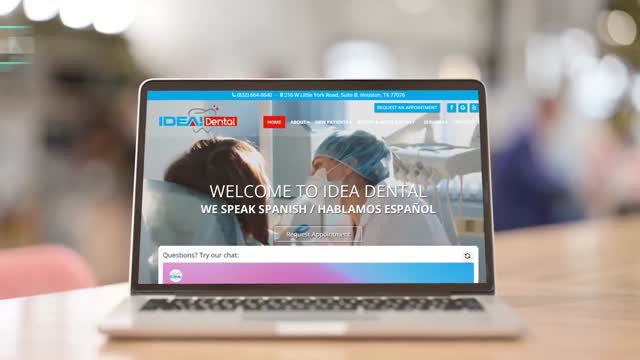
Modern websites serve as far more than digital brochures. They function as comprehensive patient management tools that can streamline communication and reduce administrative burden. When properly configured, these platforms become central hubs for appointment scheduling, rescheduling, and reminder distribution.
The integration of automated reminder systems into practice websites creates a seamless experience for both staff and patients. Rather than relying on manual telephone calls or paper reminders, practices can deploy multi-channel communication strategies that reach patients through their preferred methods. This automation frees up valuable staff time whilst ensuring consistent and timely communication with every patient on the schedule.
Implementing Multi-Channel Reminder Strategies
The most successful reminder systems employ multiple communication channels to reach patients where they are most likely to engage. SMS text messages have emerged as particularly valuable due to their high open rates and immediacy. Most patients check text messages within minutes of receipt, making this medium ideal for time-sensitive reminders. Email reminders provide a complementary approach, offering more detailed information about upcoming appointments and the ability to include helpful links for rescheduling or accessing practice information.
Telephone reminders remain relevant for certain patient demographics, particularly older individuals who may be less comfortable with digital communication. The key is offering flexibility and allowing patients to select their preferred reminder method through their practice’s online portal. Studies have shown that appointment reminder systems demonstrate measurable improvements in attendance rates, though optimal implementation requires attention to timing and frequency.
Timing and Frequency Considerations
The scheduling of reminders plays a crucial role in their success. A well-designed system typically sends an initial reminder one to two weeks before the appointment, allowing patients sufficient time to identify potential conflicts and reschedule if necessary. A second reminder delivered 24 to 48 hours before the appointment serves as a final prompt and catches those who may have overlooked the earlier communication.
However, practices must strike a delicate balance between helpful reminders and overwhelming patients with excessive communication. Implementing dental appointment reminders thoughtfully requires consideration of patient preferences and response patterns. Some practices find success with a three-reminder system, whilst others achieve better results with just two well-timed messages.
Measuring Success and Continuous Improvement
Dental practices should regularly evaluate the performance of their reminder systems through careful tracking of cancellation rates, no-show percentages, and patient feedback. This data provides valuable insights into which communication methods resonate most strongly with their specific patient population. By monitoring these metrics over time, practices can refine their approach and maximise the return on their technology investment.
Building a More Reliable Practice Schedule
Smart reminder systems integrated into websites represent a practical solution to the persistent challenge of appointment cancellations. By leveraging technology to maintain consistent communication with patients, practices can reduce no-shows, optimise their schedules, and ultimately provide better access to care for their communities. The investment in these systems pays dividends through improved operational efficiency and enhanced patient relationships.